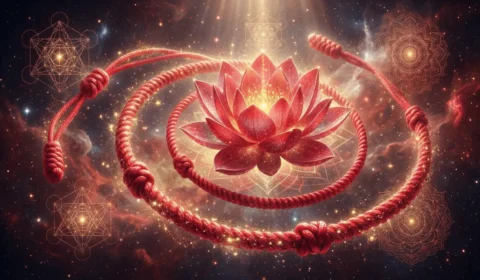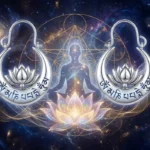



The Lotus Flower is much more than a beautiful plant you see in a pond. We see it as a living map of the human journey from darkness into the light. This flower starts its life in the dark, thick mud underwater, yet it rises to the surface to bloom with perfect petals. It stays clean even while growing in the dirt, which is why it mirrors our own hope to stay pure in a messy world.
Quick Answer: The lotus flower symbolizes spiritual transformation, purity, and enlightenment. It represents the soul’s ability to rise above the mud of worldly suffering (Samsara) to achieve divine awakening (Nirvana) while remaining untouched by the impurities of life.
We believe the lotus tells a story of victory. It shows us that beauty does not need a clean start to exist. In fact, the mud is exactly what the flower needs to grow strong and tall. This paradox is why so many cultures around the world look at the lotus as the ultimate symbol of the unsoiled spirit.
Ancient Origins and Sacred Legends
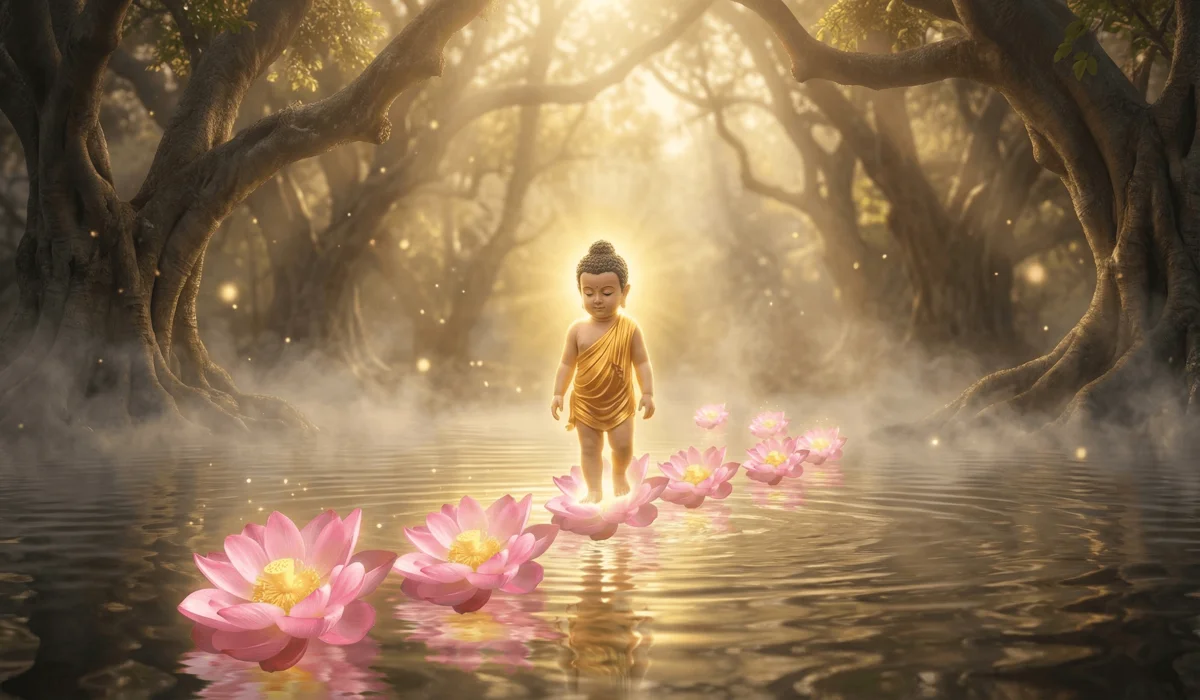
The history of the lotus is tied to the very beginning of many great civilizations. In the Mahayana Buddhist tradition, there is a famous story about the birth of the Buddha. It is said that wherever the infant took his first seven steps, pink lotus flowers bloomed instantly to catch his feet. This legend tells us that a divine being can enter our physical world without being stained by it.
The Divine Roots in Hinduism and Egypt
In Vedic Hinduism, the lotus is often linked to the god Vishnu. He is sometimes called the “Lotus-Eyed” one because the flower represents the birth of the entire universe. We also see the gods Lakshmi and Saraswati sitting on lotus thrones, which shows that wealth and wisdom must sit on a foundation of purity. This ancient connection makes the flower a symbol of the highest spiritual authority.
Ancient Egyptians also loved the lotus, especially the blue variety. They noticed that the flower opens during the day and retreats into the water at night. This daily cycle reminded them of the sun god Ra and the idea of being born again every single morning. For them, the lotus was a pulse of life that never truly ended. You can find more about these historical shifts in the Encyclopaedia Britannica records of ancient botany.
The Alchemy of the Mud: Why We Need the Struggle
Many people think of mud as something bad or dirty that we should avoid. However, in spiritual teaching, the mud represents our “Kleshas” (烦恼) , which are our afflictions like anger or greed. We believe that spiritual awakening, or “Bodhi” (菩提), cannot happen without this mud. The mud provides the nutrients and the resistance that force the soul to reach upward toward the sun.
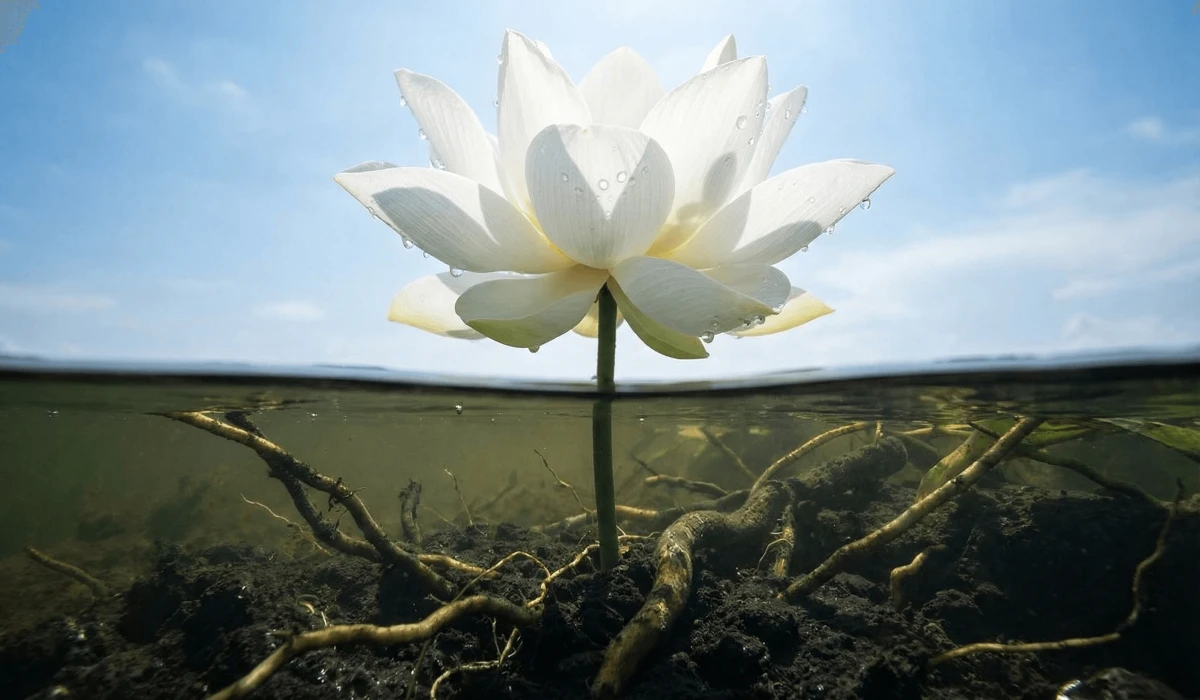
Think of the water as the bridge between “Samsara” (涅槃), our world of suffering, and “Nirvana” (轮回), the state of peace. The lotus does not grow in spite of the murky water; it grows because of it. Without the challenges of life, we would have no reason to seek a higher path or find our inner strength.
The Geometry of Your Inner Spirit
The shape of the lotus also holds deep meaning. Most traditional art shows the lotus with eight petals, which represents the Eightfold Path taught in Buddhism. This path gives us a guide for how to live a balanced and ethical life. At the highest level of meditation, practitioners speak of the “thousand-petaled lotus” at the top of the head. This is the crown chakra, where our energy finally meets the divine.
The Concept of Non-Attachment in Daily Life
One of the most amazing things about a lotus leaf is that it repels water. When rain falls on it, the water just beads up and rolls off without making the leaf wet. This is a perfect metaphor for “non-attachment.” We are encouraged to live in the world and experience its emotions, but we should not let the “water” of drama or stress soak into our core.
This quality is why the lotus is often held by the figure Avalokiteshvara (Avalokiteshvara), who represents infinite compassion. Even when faced with all the sadness in the world, this figure remains pure and helpful. We can use this as a lesson for our own lives. We can be kind and present without letting the negativity of others ruin our inner peace.
If you are looking for ways to bring this energy into your home, you might consider how it fits with Feng Shui Society principles for creating a calm space. A lotus image or symbol can act as a shield against chaotic energy. It reminds us that we are in control of what we let touch our hearts.
Why Wear Lotus Jewelry? Carrying a Symbol of Resilience
In our modern world, we are constantly hit with “digital noise” and social pressure. It is easy to feel like we are drowning in the mud of the 21st century. Wearing a Lotus Pendant serves as a physical anchor for your mind. When you touch it, you are reminded to take a breath and rise above the noise.
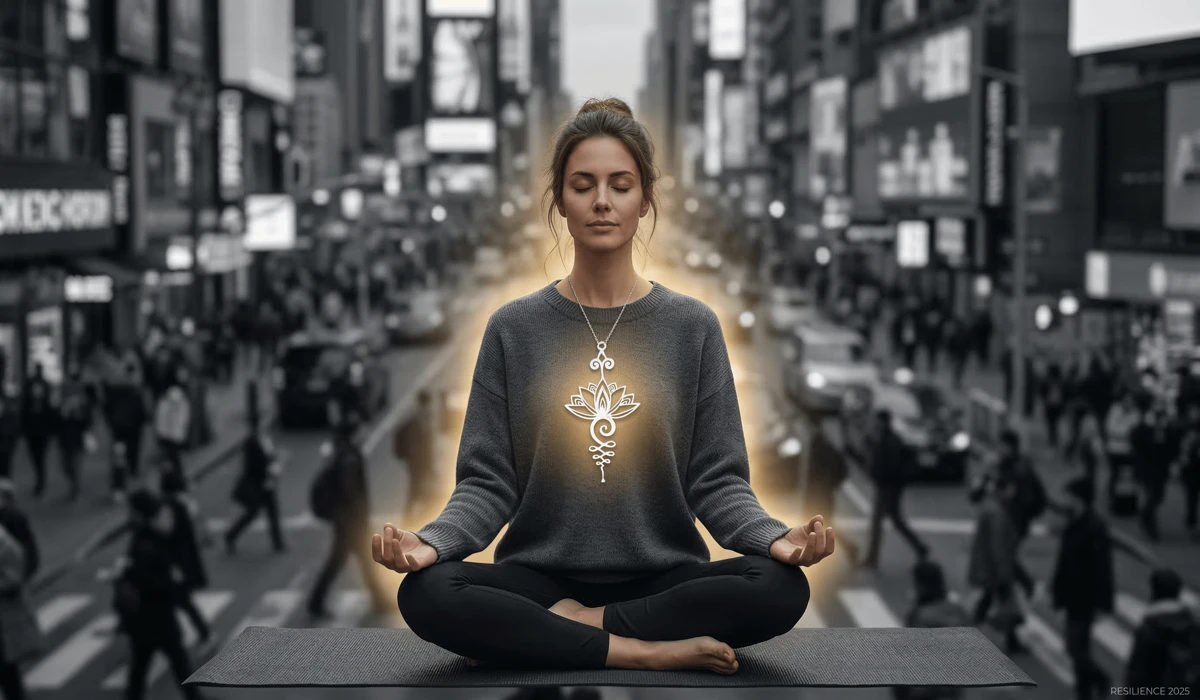
Symbolic jewelry acts like a silent coach. It uses the power of “symbolic priming” to keep your goals in sight. When you wear a lotus, you are telling yourself that you are resilient and capable of change. This is especially helpful during big transitions, like moving to a new city or starting a new career path.
The Lotus and the Snake: As we move through the coming years, combining the lotus with other symbols like Zodiac Animals can be very powerful. While the snake represents shedding the old skin, the lotus represents the new, pure growth that comes after. Together, they are a complete cycle of healing.
We often recommend the lotus for anyone feeling burned out. It is a quiet way to reclaim your power without saying a word. It says that no matter how deep the mud is, you will still find your way to the sun. This is a universal truth that applies to everyone, regardless of their background.
How to Meditate with the Lotus Symbol
You do not need to be an expert to use the lotus in your personal practice. Meditation is simply about focusing your mind. By using the image of a lotus, you give your brain a beautiful place to rest. This helps lower stress and brings a sense of order to your day.
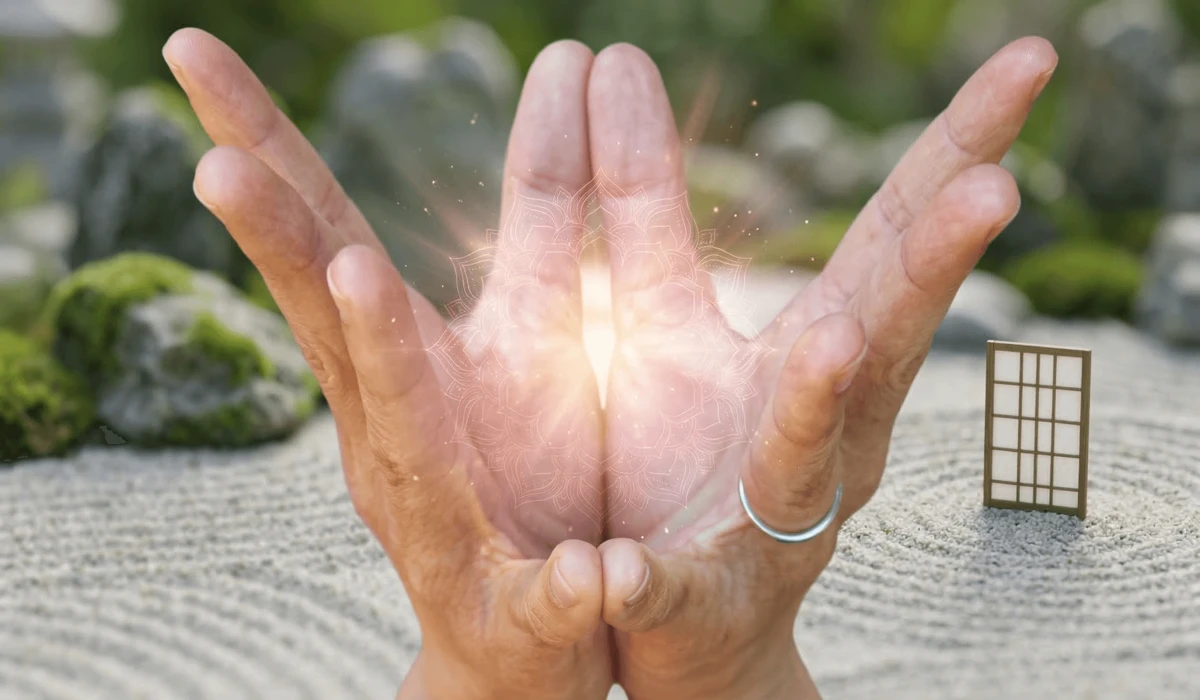
- Sit in a quiet chair and place your hands in the Padma Mudra (Padma Mudra) by touching your palms and pinkies while opening your other fingers like a flower.
- Close your eyes and imagine a tiny seed in your heart growing through dark water toward the light.
- As you breathe in, imagine the petals of a lotus opening one by one in your chest.
- As you breathe out, imagine any stress or “mud” falling away from your body and sinking into the ground.
Using these steps for just five minutes a day can change your outlook. You can find more detailed guides on Mindful Breathing to help you stay consistent. The key is to be gentle with yourself, just like the delicate petals of the flower.
Color Symbolism: Understanding the Meaning of Each Shade
Not all lotus flowers mean the same thing. The color of the flower changes the “flavor” of its spiritual message. When we choose symbols for our lives, we should think about what specific energy we need at that moment. The Wikipedia entries on floral symbolism often highlight these distinctions in cultural art.
We have gathered the most common meanings in the list below to help you decide which one speaks to your soul:
- White Lotus: Represents total mental purity and spiritual perfection. It is the “state of being” for the Buddha.
- Pink Lotus: This is the supreme lotus. It is often reserved for the highest deities and represents the true history of the Buddha.
- Blue Lotus: This stands for wisdom and knowledge. It is usually shown as partially open, meaning the mind is always learning.
- Red Lotus: This is the flower of the heart. it is linked to love, compassion, and the fire of our inner passions.
Knowing these differences helps you be more intentional. If you are studying for a big exam, you might focus on the blue lotus. If you are healing from a breakup, the red or white lotus might be your best companion.
Cultural Etiquette and Respectful Use
Since the lotus is a sacred symbol, it is important to treat it with respect. In many Eastern cultures, the “Lotus Throne” is the seat of a god. Therefore, we should try to avoid placing lotus symbols on the floor or on items that touch the lower part of the body, like shoes. This shows that we value the high spiritual meaning the symbol holds.
The lotus is a gift to the world from ancient traditions. While anyone can use it to find peace, we should always remember where these stories came from. Honoring the roots of the lotus makes its “bloom” in our own lives feel much more meaningful. It connects us to a long line of people who also looked at a pond and saw a miracle.
Quick Guide to Lotus Symbolism Across Eras
| Culture | Primary Meaning | Key Deity/Figure |
|---|---|---|
| Buddhism | Nirvana & Detachment | Gautama Buddha |
| Hinduism | Creation & Fertility | Lord Vishnu & Lakshmi |
| Ancient Egypt | Rebirth & The Sun | Sun God Ra |
| Taoism | Inner Harmony | The Immortals |
As this table shows, the lotus is a universal bridge. It doesn’t matter if you are in Cairo or Beijing; the sight of a flower rising from the mud is a sign of hope. We invite you to see your own life through this lens of transformation.
4 Steps to Integrate the Lotus into Your Life
1. Morning Visualization: Spend one minute after waking up imagining a white lotus in your mind to set a pure intention for the day.
2. Mindful Touch: If you wear a lotus charm, touch it whenever you feel a “muddy” emotion like anger to remind yourself to stay detached.
3. Evening Reflection: Before bed, think of one challenge (mud) you faced and how it helped you grow (bloom).
4. Sacred Space: Place a lotus image or flower in your workspace to act as a visual shield against digital stress and negativity.
Following these simple steps keeps the wisdom of the lotus alive. It moves the symbol from a piece of art into a tool for better living. We believe that small actions lead to the biggest spiritual changes over time.
FAQ
Q: What is the deeper spiritual meaning of a lotus rising from the mud in 2026?
A: In 2026, the lotus represents resilience after times of global change. It serves as a reminder that we can rebuild our lives with more wisdom and beauty than before, even if the “ground” feels unstable.
Q: What is the difference between white, pink, and blue lotus symbolism?
A: The white lotus is for spiritual purity, the pink is for the historical Buddha and divine presence, and the blue lotus represents wisdom and victory over the senses.
Q: How does the lotus flower illustrate the Buddhist concept of non-attachment?
A: The lotus has a special surface that repels water. Just as water drops roll off the petals without soaking in, we are taught to let life’s troubles pass by without letting them disturb our inner core.
Q: What does the mud represent in a contemporary psychological context?
A: Today, the mud represents trauma, ego, social media pressure, and the general chaos of the material world. It is the “difficult soil” that forces us to seek healing and growth.
Q: How to use lotus imagery in meditation for emotional resilience?
A: You can visualize your heart as a lotus that remains open and radiant even when the world around it is dark. This helps create a mental boundary between your inner peace and outer stress.
Integrating the Wisdom of the Lotus
In the end, the lotus flower is a mirror for your own soul. It reminds us that our current “muddy” circumstances are not our final destination. Instead, those struggles are the fuel we need to reach our full potential. We encourage you to embrace your challenges as the fertile ground for your future bloom.
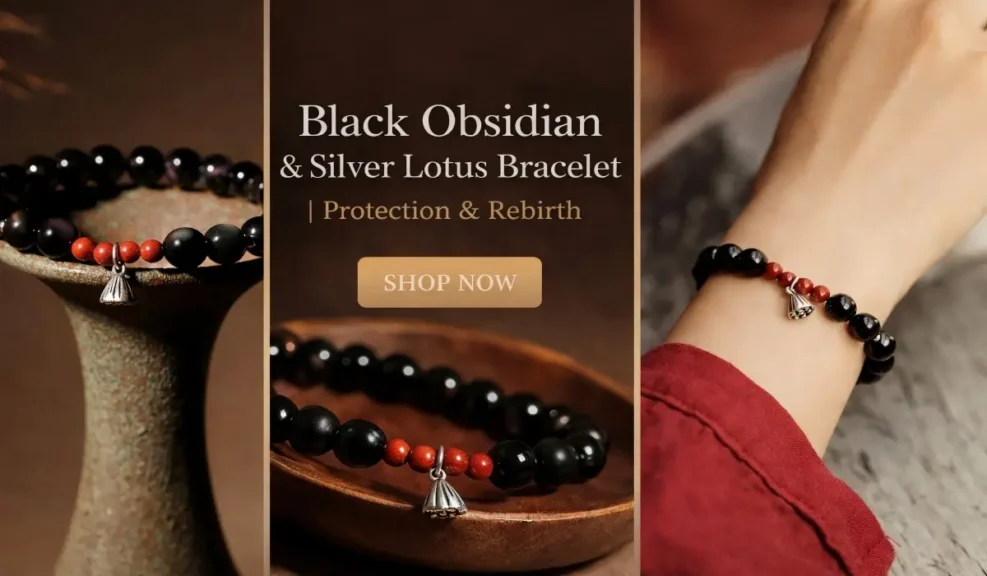
As we move forward into the new year, let the energy of the lotus guide your steps. Whether through meditation, mindful living, or wearing a symbolic anchor, you have the power to rise. We invite you to explore our curated Lotus Spiritual Collection and find the perfect piece to help you on your journey of transformation.
The content provided in this article is for informational and cultural exchange purposes only. It does not constitute medical, legal, financial, or other professional advice. If you have specific concerns regarding your health or well-being, readers should consult with a qualified professional.
Written by the Buddha Bodhis Team
Since 2020, we have been devoted to exploring traditional year-based wisdom, classical Feng Shui principles, and the rich spiritual symbolism rooted in Eastern cultural heritage. Our work bridges ancient metaphysical systems with modern life, interpreting annual cycles, elemental energies, and symbolic meanings to offer thoughtful insight and practical guidance. Through continuous research and practice, we aim to preserve traditional knowledge while making it accessible, relevant, and meaningful for contemporary seekers of balance, intention, and personal growth.
TikTok | YouTube | Pinterest | X
buddhabodhis@gmail.com